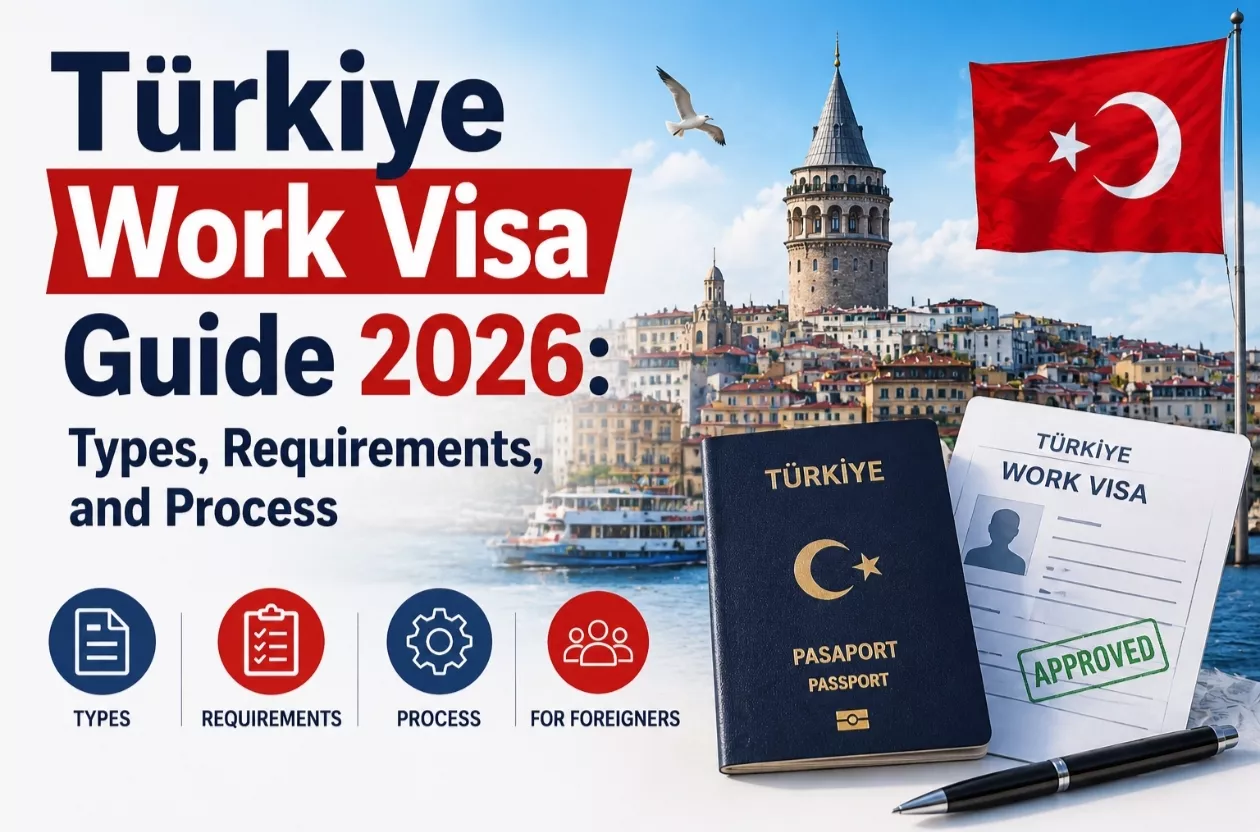
Türkiye Work Visa Guide 2026: Types, Requirements, and Process
Many professionals in India are drawn to the allure of working in Turkey. This guide will walk you through the steps to apply for a Turkish work visa from India. With this information, you can confidently plan your move.
For those seeking new horizons, working abroad can open up a world of opportunities. This guide provides crucial details on the necessary documents, timelines, and tips for a seamless transition into Turkey’s workforce.

Key Takeaways
- Get familiar with different Turkish visa types
- Organize important papers early in the process
- Verify official guidelines before sending applications
- Stay aware of changing rules and regulations
- Adapt to local customs when building your new career path
The Importance of Working in Turkey for Indian Professionals
Turkey’s dynamic sectors welcome diverse talent, fostering a place where skills and ambition thrive. It’s seen as a gateway for building international expertise and strengthening personal networks.

Thriving Economy and Opportunities
Construction, IT, and other fields are expanding, drawing in fresh talent. Industries focus on innovation, funding new projects, and partnering with experts. This leads to accelerated growth and lasting professional gains for those seeking new challenges.
Why Turkish Culture Attracts Global Talent
Traditional hospitality blends with modern values, creating a welcoming atmosphere for newcomers. This mix encourages Indian professionals in Turkey to feel at home. They discover a lifestyle that balances work with cultural exposure. Strong community ties and an inclusive spirit motivate many to stay longer and embrace Turkey’s rich heritage.
| Industry | Key Benefits |
|---|---|
| Construction | Rapid project launches and diverse training options |
| IT | Cutting-edge research and collaborative teams |
Understanding Turkish Work Visa Types
Embarking on a professional journey in Türkiye requires the correct visa status. Various options cater to different time frames, allowing experts to focus on their projects. The choice depends on your career aspirations and skill set. Each visa has specific requirements outlined by Turkey’s labor laws. These rules dictate the necessary paperwork, timelines, and approval processes.
The short-term visa is perfect for temporary roles, ideal for gaining experience or completing seasonal tasks. On the other hand, the long-term visa provides a stable base for those intending to stay longer. Successfully navigating the Turkey visa application process involves choosing an option that aligns with your career goals.

Some individuals prefer visas tailored to their specialized fields. Language proficiency and educational qualifications are crucial. It’s essential to thoroughly review each category to avoid delays. Understanding the requirements helps in preparing the necessary documents, facilitating the next steps in your Turkey visa application.
| Visa Type | Key Feature |
|---|---|
| Short-Term | Ideal for project-based tasks |
| Long-Term | Suitable for ongoing positions |
Türkiye Work Visa Guide 2026: Types, Requirements, and Process
Working in Turkey opens up a world of exciting opportunities. Indian professionals find thriving industries and a supportive business environment. This guide outlines three main visa categories for different career paths. Each has its own rules, stay lengths, and renewal options.
Temporary Work Visa
The Temporary Work Visa is ideal for short-term roles or project-based assignments. It covers contracts lasting from months to a year. Applicants need valid employment letters and must meet age and health standards. Renewal procedures vary, so check official portals for fee updates and processing periods.
Permanent Work Visa
The Permanent Work Visa is for those with long-term commitments. It offers stable opportunities and a path to permanent residency. Strong academic or professional credentials are key to approval. Employers often sponsor these applications, covering multi-year plans in various sectors.
Special Categories for Skilled Workers
Special Categories for Skilled Workers cater to individuals with specialized expertise. Fields like technology, healthcare, or finance have tailored permits. Credentials must be documented to show potential impact on the workforce. This route offers a smoother process once professional achievements align with Turkey’s demand for high-level skills.
Key Requirements and Eligibility Criteria
Before you start your Turkey visa application, it’s crucial to check if you meet the eligibility criteria. If you’re an Indian professional looking to work in Turkey, there are specific conditions to fulfill. This guide will help you understand the basic requirements before you begin.
Educational Qualifications
The Turkish job market values graduates from well-respected institutions. Holding a diploma or degree from a recognized university can significantly boost your credibility. Certain fields, such as engineering or healthcare, might require additional certifications for a successful career.
Language Proficiency
Being proficient in Turkish or English is essential for professional success. Basic Turkish skills can facilitate everyday communication and foster deeper connections with colleagues. Showing proof of formal training or certifications can demonstrate your readiness for the Turkish workplace.
Minimum Work Experience
Some positions require prior experience and a proven track record. Typically, professionals with at least two years of relevant experience find more opportunities in Turkey. Including relevant internships in your application can also enhance your chances.
| Requirement | What You Need to Know |
|---|---|
| Degree or Diploma | Recognized qualification from a reputable institution. |
| Language Skills | Basic Turkish or advanced English for professional success. |
| Work History | At least two years of relevant industry experience. |
Preparing Your Documents Checklist
Getting your paperwork in order before applying streamlines the process. It allows you to focus on your career goals. You’ll need proof of past work, official degrees, and financial statements required by local authorities.
Translations might be required for documents in languages other than Turkish or English. Organize each document in a clear folder. This way, nothing gets lost at the last minute. It saves time and keeps you focused on the exciting career opportunities in Turkey.
- Current passport with valid expiration date
- Proof of job offer or employment details
- Verified transcripts or diplomas
- Bank account statements
Keep your personal documents separate from unrelated forms. Clear labels make it easier to find what you need during official checks. Also, check if any documents require additional seals from recognized agencies.
| Document | Purpose |
|---|---|
| Passport | Identity proof and travel eligibility |
| Employment Certificate | Verifies your job role and local compliance |
| Educational Credentials | Showcases your academic background |
| Financial Records | Confirms financial stability |
Step-by-Step Application Process
Embarking on a career in Türkiye can be straightforward with a well-planned approach. A structured plan ensures you navigate each stage efficiently, avoiding any confusion or unnecessary delays.
Applicants often start with the Turkey visa application, which is foundational. Those aiming to apply for a Turkish work visa from India must be vigilant about deadlines. They should also prepare all necessary certificates well in advance.
Gathering Essential Papers
Documents needed include valid passports and employment offers. Organize them in a folder for easier access. Ensure all documents have official stamps and are up-to-date with your personal information.
- Signed job contract
- Valid identification proof
- Recent photographs
Completing the Online Form
Ensure a stable internet connection, access the official application portal, and fill out each section meticulously. Accuracy is crucial to avoid rejection. Therefore, double-check every detail before submission.
- Register your account
- Input personal data
- Attach scanned documents
Scheduling the Appointment
Choose a date that fits your schedule. You will likely receive a confirmation email. Keep this email handy for your embassy visit.
| Step | Key Action |
|---|---|
| Gather Documents | Collect verified papers, including your employment contract |
| Complete Form | Submit information through the official portal |
| Book Appointment | Confirm a suitable slot for your in-person visit |
Common Challenges and How to Overcome Them
Starting anew in a foreign land is both exciting and daunting. For Indian professionals in Turkey, language barriers and cultural differences pose significant hurdles. It’s crucial to find effective solutions to these challenges to ensure a fulfilling work life.
Dealing with Language Barriers
Language is a major obstacle in Turkey. Simple actions like enrolling in local language classes or utilizing online translation tools can ease daily interactions. Engaging in conversations with Turkish colleagues boosts confidence and aids in overcoming language barriers.
Managing Cultural Differences
Respecting local traditions and a readiness to learn customs are essential. Grasping the nuances of work etiquette, greetings, and holidays prevents misunderstandings. This approach fosters a supportive work environment where everyone can succeed.
Processing Times and Fees
When preparing for a Turkey visa application, budget planning is crucial. The fee varies by visa category. If your application is rejected, you might get a refund, depending on the regulations.
The waiting period can be several weeks. However, certain professions or skilled roles might have shorter timelines. Payment methods include credit card or bank transfer. Your field of work can affect the processing speed.
Applicants from India often face varying wait times due to local consulate workloads. Consistent planning is key for any Turkey visa application. Patience and staying informed can save both money and time.
| Visa Category | Approx Fee (USD) | Typical Processing Time |
|---|---|---|
| Short-Term Work | 150 | 2–4 weeks |
| Long-Term Work | 200 | 4–6 weeks |
| Skilled Worker | 250 | 2–3 weeks |
Tips for Securing Your Turkish Work Permit
Starting strong often means having a clear plan. For Indian professionals in Turkey, a well-thought-out strategy can lead to new career paths. It boosts confidence and prepares you for the journey ahead.
Networking with Local Employers
Building local connections is key to staying updated on industry trends. It opens doors to job opportunities that might not be advertised widely. Use platforms like LinkedIn or attend local events to find valuable connections. Professional references can make your application stand out, building trust with potential employers.
Showcasing Relevant Skills
Customize your resume to fit the needs of the Turkish job market. Emphasize skills that address real business problems, whether in technology or management. This approach grabs the attention of employers and shows your dedication.
Staying Organized and Prepared
Being well-prepared is crucial for a smooth application process. Use a planner to keep track of deadlines and maintain digital copies of important documents. Keeping your records in order can speed up the permit process, giving you more time to focus on your career.
How to Adapt to Life in Turkey
Relocating opens up new horizons and brings about personal growth. The vibrant streets and warm communities in Turkey foster new passions. For those from India, the cultural hospitality here makes the transition smooth.
Adapting to Turkey’s customs can seem daunting. However, a well-thought-out plan for communication makes daily life easier. Turkish people cherish social bonds, which can lead to strong professional connections. This environment is ripe with career opportunities in Turkey. Learning the language and engaging in local events can help you feel at home.
Exploring social media groups can provide insights into local activities. Discovering popular spots like Taksim in Istanbul or Kızılay in Ankara is essential. Establishing a routine at local markets and cafés adds stability. Tasks such as setting up bank accounts, enrolling in healthcare, and using digital payment apps are crucial for comfort.
“An open mind transforms obstacles into bridges.”
Local events bring people together, fostering lasting friendships. This atmosphere enriches daily life. The fast-paced yet heritage-rich environment in Turkey is ideal for those who are patient and curious.
For those aiming to work in Turkey, building personal connections can lead to unexpected opportunities. Improving language skills and strengthening community ties can significantly expand career prospects.
Essential steps for a seamless shift:
| Step | Reason | Outcome |
|---|---|---|
| Join local groups | Encourage networking | Greater social support |
| Learn Turkish phrases | Improve communication | Deeper cultural insight |
| Explore historical sites | Appreciate heritage | Broaden perspective |
Conclusion
Entering a new environment can be a catalyst for growth and inspiration. The right resources and mindset are crucial for building a future that enhances both your career and personal development. Every step, from gathering the necessary documents to adapting to local customs, contributes to your journey in Turkey.
When applying for a Turkish work visa from India, it’s essential to stay on top of deadlines and local regulations. This process requires time and patience, but the rewards are immense. Fresh experiences and the opportunity to thrive in a dynamic market await you. With careful planning and a strong support network, you can stay focused and confident.
This guide serves as a foundation for your next significant step. Embrace change, seek out exceptional opportunities, and delve deeper into Turkish culture. With determination and thorough preparation, you are poised to succeed in this exciting new chapter of your life.